FIELD
GUIDES.
Useful explanations about the optics and detectors behind the marketing. Original writing with linked primary references.
 Reference / Oct 2026
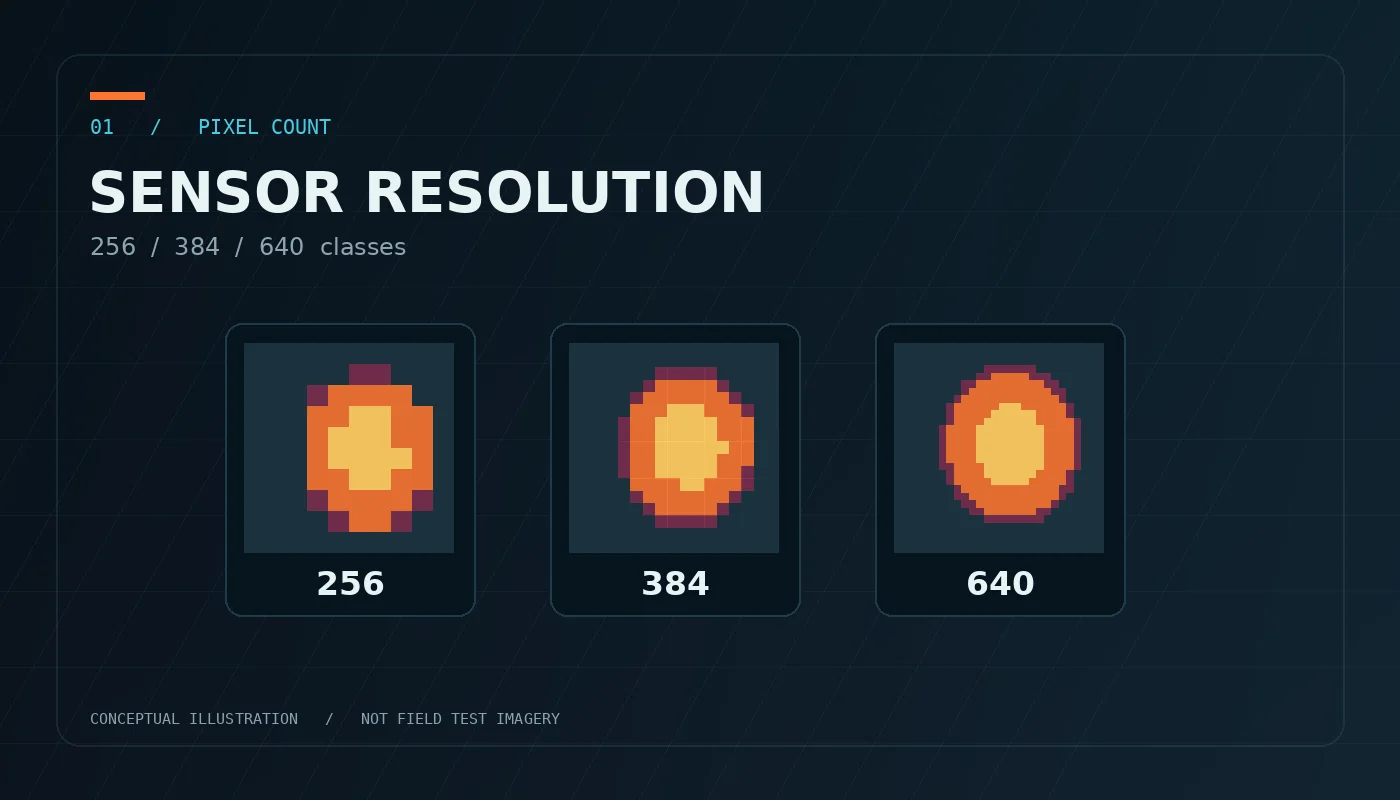
256 vs 384 vs 640: reading thermal resolution correctly
A higher sensor pixel count is useful, but it is only one part of an imaging system.
Read this guide →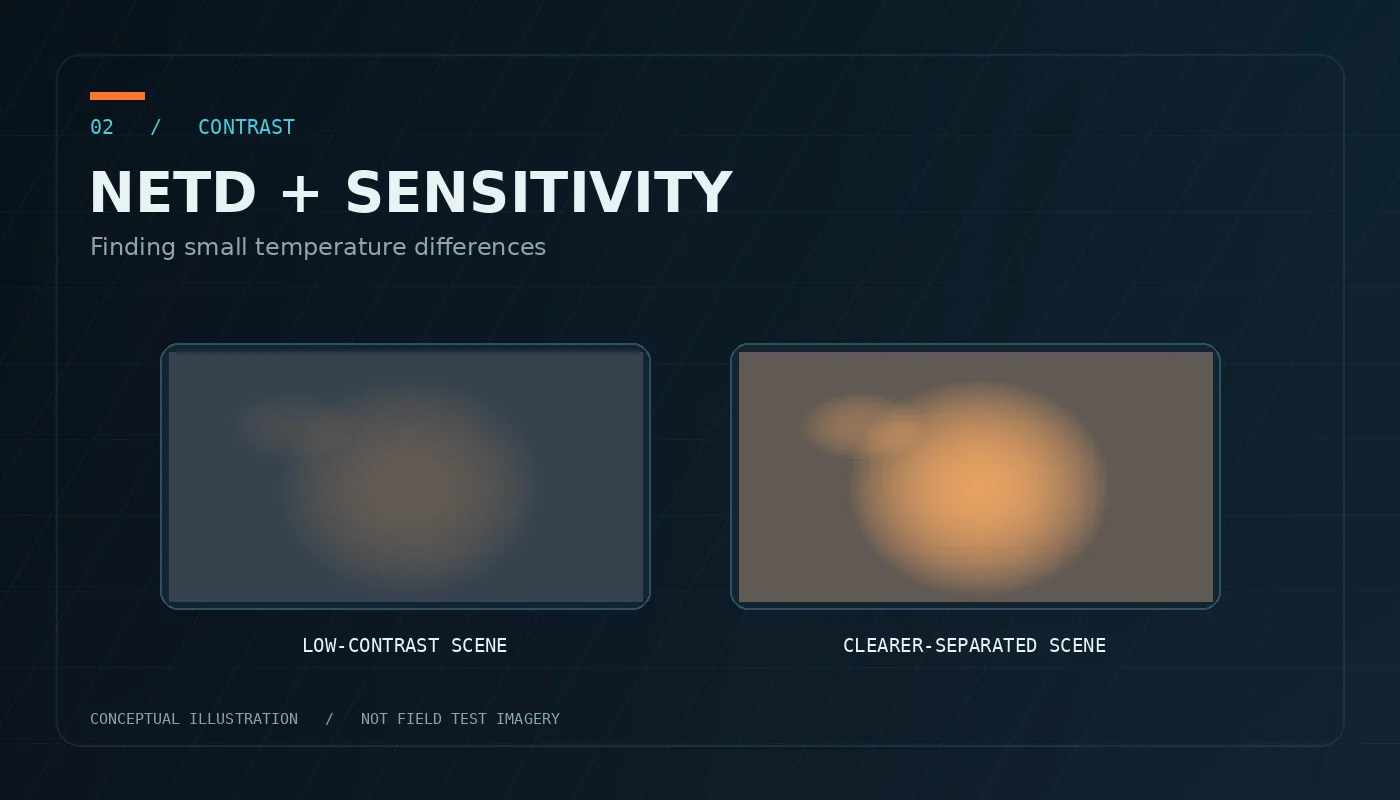 Reference / Oct 2026
NETD explained: why a smaller mK number can matter
Thermal sensitivity is not the same specification as thermal resolution.
Read this guide →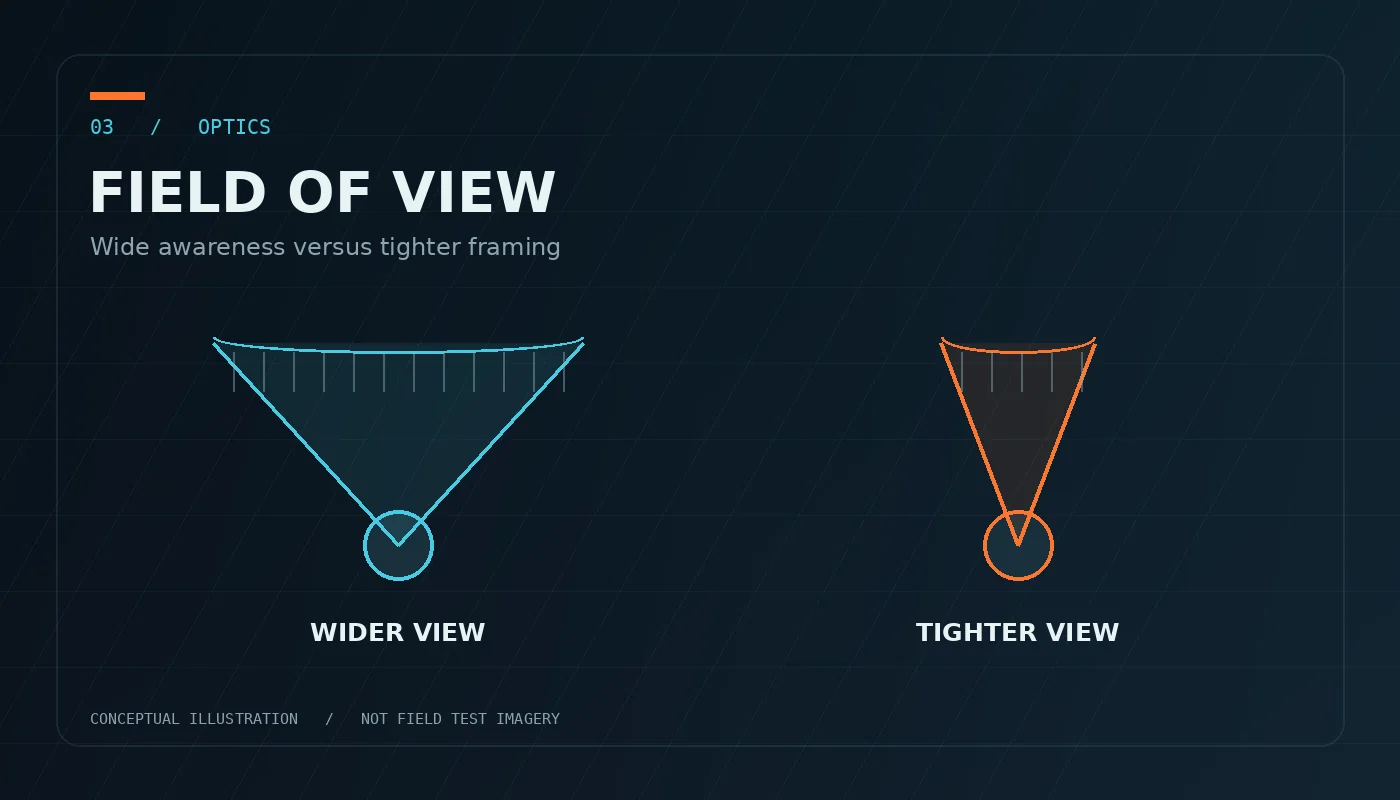 Reference / Oct 2026
Field of view vs. magnification: the tradeoff that matters
Why a lens and sensor pairing deserve more attention than a large zoom number.
Read this guide →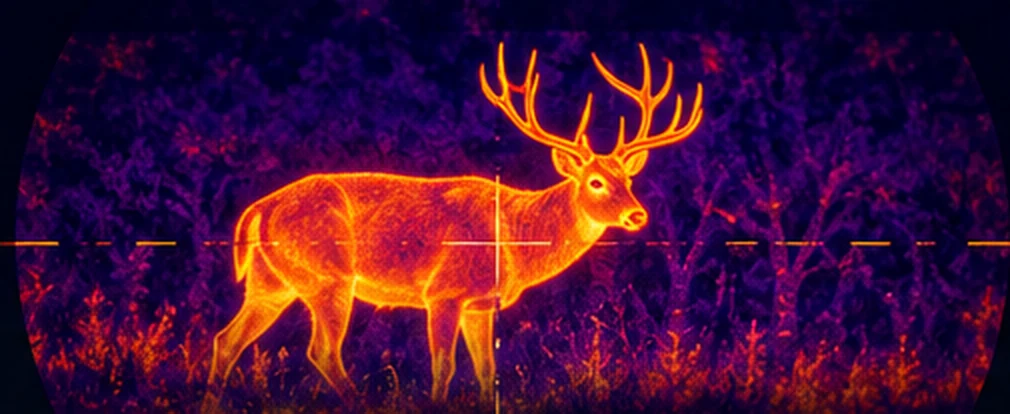 Reference / Oct 2026
Thermal imaging vs. night vision: what each actually sees
Understanding emitted heat signatures versus amplified or digitized visible and near-IR light.
Read this guide →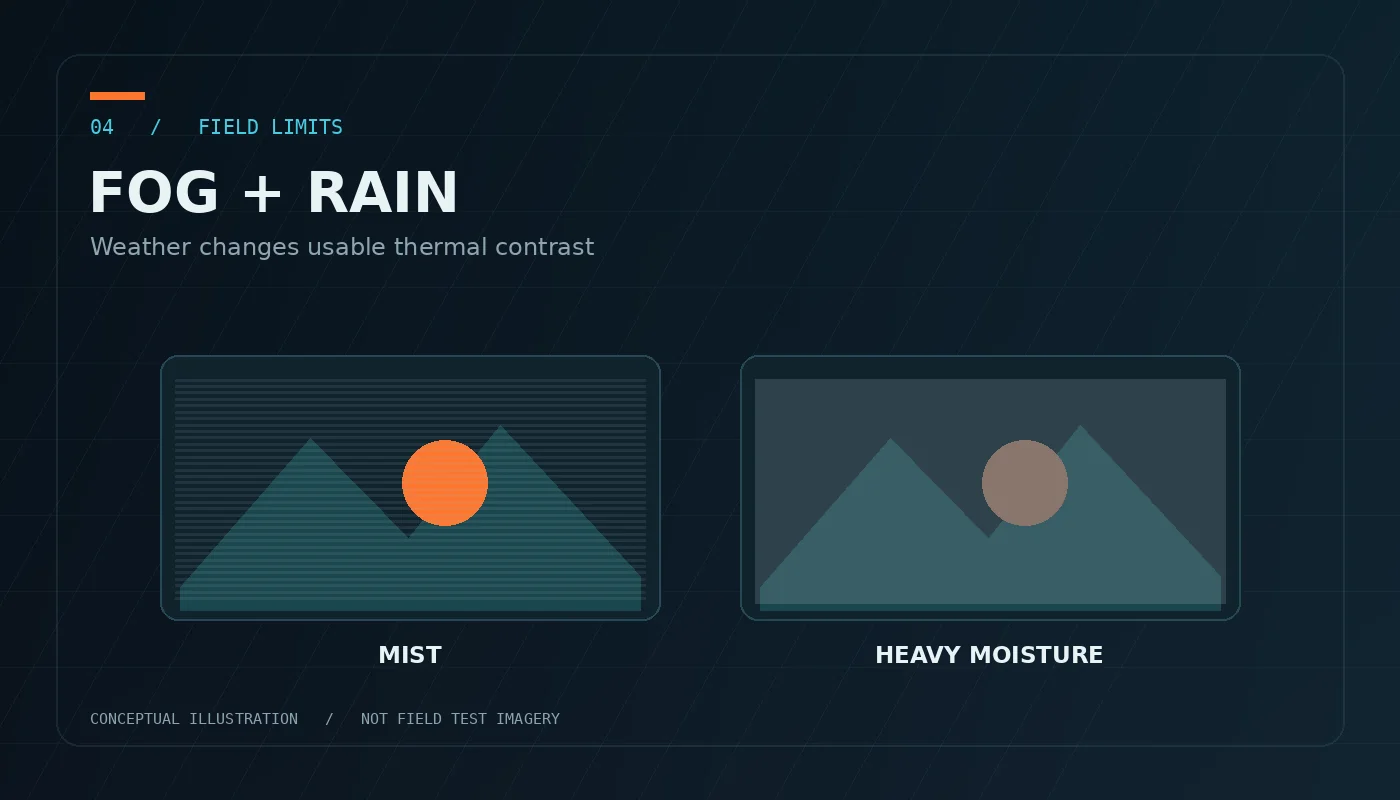 Reference / Oct 2026
How fog, rain and humidity affect thermal images
Why the idea that thermal always sees through bad weather is misleading.
Read this guide → Reference / Oct 2026
Thermal model numbers decoded: what the name does and does not tell you
An honest guide to reading 25-384, LRF and 50-640 without pretending names are full spec sheets.
Read this guide →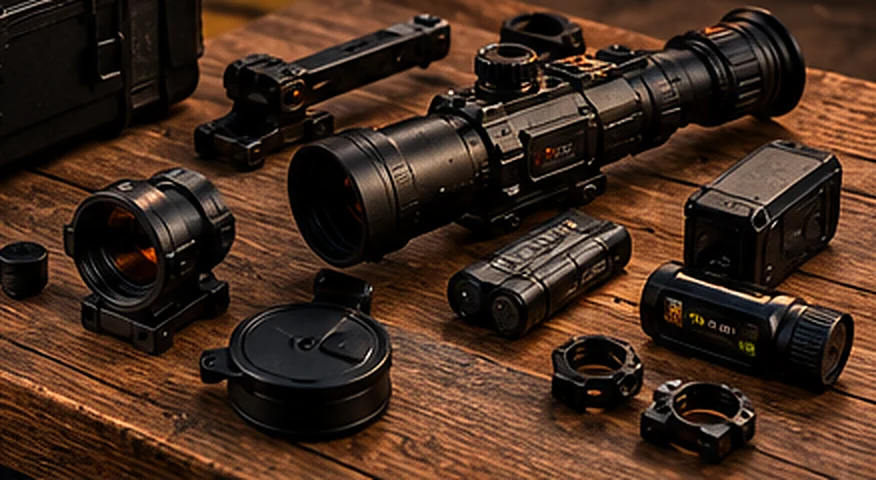 Reference / Oct 2026
Evaluating a used thermal device: condition and documentation
A practical checklist for secondhand electronics with expensive sensors and optics.
Read this guide →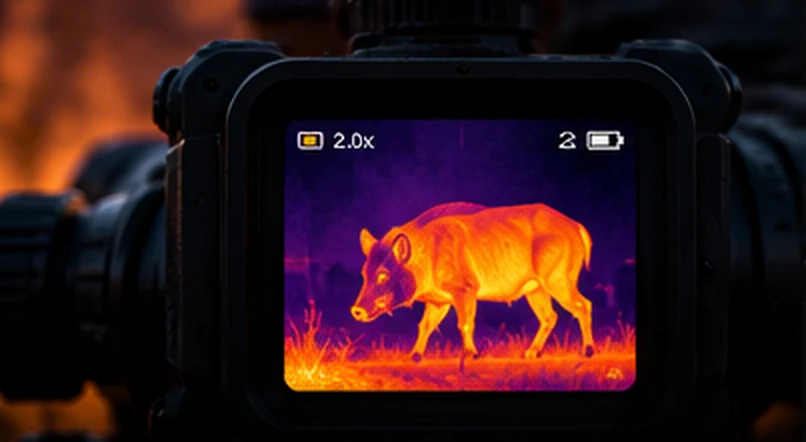 Reference / Oct 2026
Refresh rate, recording and connectivity in thermal optics
Separating the sensor's update rate from recorded video, screens and apps.
Read this guide → Reference / Oct 2026
What LRF means on a thermal optic
Rangefinding is a distinct subsystem, not automatically a better thermal detector.
Read this guide → Reference / Oct 2026
The first thermal comparison checklist
A worksheet for separating objective facts from attractive marketing claims.
Read this guide →